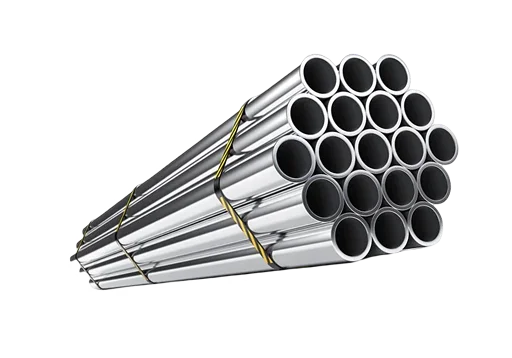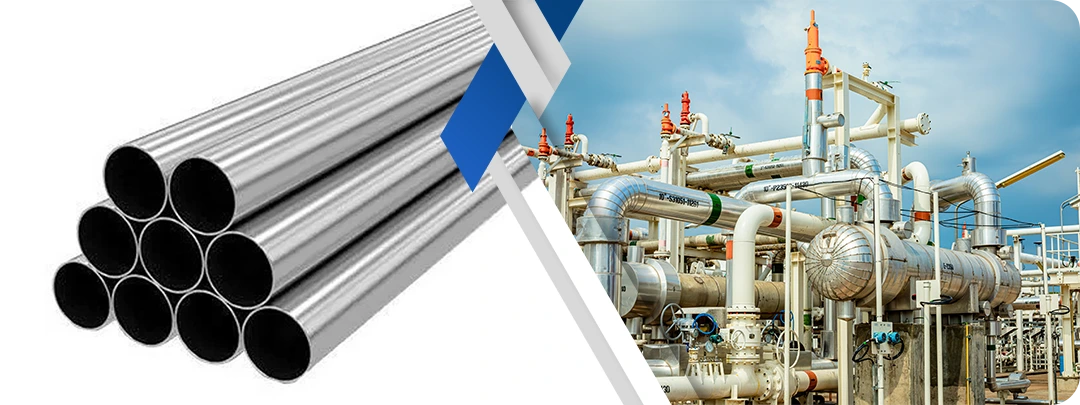
Hastelloy is what a chemical plant reaches for when the process licensor has run out of cheaper answers. Metinox Overseas supplies Hastelloy pipes and tubes in C276, C22, B2, B3 and X to ASTM B622 seamless, B619 welded pipe and B626 welded tube, made to order from mill-sourced material with 100 percent PMI and 3.1 certification, serving chemical, refining and hydrometallurgy buyers across India, the USA, the Middle East and Africa. These are nickel-molybdenum and nickel-chromium-molybdenum alloys built for acids that destroy stainless outright, and C276 in particular is one of the very few materials that survives wet chlorine, hypochlorite and chlorine dioxide. The wider nickel shelf sits at Special Alloys Pipes & Tubes.
Before the grade question, the honest one. Nickel alloys get over-specified more than any other family, and a fair share of Hastelloy enquiries are really Super Duplex Steel Tubes jobs at a fraction of the price, while seawater and wet-chlorine duty often belongs to Titanium Pipes & Tubes instead. We run that check before quoting. When the answer genuinely is Hastelloy, the rest of this page decides which one.
Request a Quote on Hastelloy Pipes & Tubes →
Table of content
- B-Series or C-Series? The Decision That Defines Hastelloy
- The Hastelloy Grades We Supply
- Hastelloy C276 vs C22: Which C-Family Grade Fits Your Stream
- The Oxidizing Contamination Trap
- Temperature Exclusion Zones by Grade
- Why Hastelloy Pipe Can Usually Be Used As-Welded
- Standards, Forms & Ordering by UNS Number
- Types of Hastelloy Pipes & Tubes
- Hastelloy Pipe & Tube Applications
- Hastelloy Testing, Certification & Export to USA, Middle East & Africa
- Explore Related Ranges
- Hastelloy Pipes & Tubes: Frequently Asked Questions
B-Series or C-Series? The Decision That Defines Hastelloy
Almost every Hastelloy mistake starts by treating the family as one material. It is two, and they are built for opposite chemistries.
| B-Series (B2, B3) | C-Series (C276, C22) | |
|---|---|---|
| Alloy system | Nickel-molybdenum, around 30% Mo, chromium only around 2% | Nickel-chromium-molybdenum, roughly 16 to 22% Cr with 13 to 16% Mo |
| Built for | Reducing acids: hydrochloric at all concentrations, sulphuric, phosphoric, acetic, hydrogen chloride gas | Mixed service: both oxidizing and reducing media, wet chlorine, hypochlorite, chlorine dioxide, ferric and cupric chlorides |
| The fatal weakness | Oxidizing conditions and oxidizing contaminants; ferric or cupric ions cause premature failure | Fewer exclusions, but not immune; strongly reducing hydrochloric duty is B-series territory |
| Chloride SCC | Immune, thanks to the high nickel content | Excellent resistance |
The short version: if the acid is reducing and clean, the B alloys outperform anything else on earth. If there is any oxidizing component, or any doubt about what else is in the stream, the C alloys are the safer specification and the reason C276 is the family's best seller.
The Oxidizing Contamination Trap
This is the failure that catches experienced engineers, and it deserves its own heading. The B-series alloys resist hydrochloric acid superbly, but they are destroyed by oxidizing contaminants, and ferric and cupric ions in particular will cause premature failure. The trap is that nobody adds those ions deliberately. They form on their own: when hydrochloric acid comes into contact with iron or copper anywhere in the system, ferric and cupric salts develop, and the acid that reaches your correctly specified B2 spool is no longer the acid that was specified. Aeration does the same thing.
So the material decision is a system decision. A B-series spool downstream of carbon steel line pipe, or connected through copper or brass components, can be poisoned by its own plant. If the metallurgy upstream is mixed, or if the acid is recovered from a process rather than fresh, specify C276 and accept the premium; it tolerates precisely those ferric and cupric chlorides that end the B-series. Tell us what else is in the circuit when you enquire and this conversation happens before the order rather than after the shutdown.
Temperature Exclusion Zones by Grade
Two bands are worth writing into your design basis. B-series alloys should not be used between roughly 540°C and 870°C, where a significant loss of ductility occurs; B3 was developed with better thermal stability than B2 precisely to widen the working margin around this problem. C22 should not be taken above roughly 675°C for the phase reason noted above. These are not soft guidelines. An alloy sitting in its exclusion zone is quietly changing while the plant runs normally, and the evidence arrives later as a cracked spool rather than as a corrosion rate.
Why Hastelloy Pipe Can Usually Be Used As-Welded
One genuine economic advantage of this family gets overlooked. C276 and B2 carry very low carbon, which strongly limits the grain-boundary carbide precipitation that troubles many alloys during welding, so they resist heat affected zone and knife-line attack and can normally go into chemical service in the as-welded condition without a solution heat treatment afterwards. On a fabricated spool or a reactor internal, skipping post-weld solution annealing removes a furnace operation, a distortion risk and a schedule step. It is one of the reasons the delivered cost of a Hastelloy assembly is closer to its alternatives than the per-kilo comparison against stainless suggests. Matching filler and controlled heat input still apply; the alloy forgives the weld, not the welder.
Types of Hastelloy Pipes & Tubes
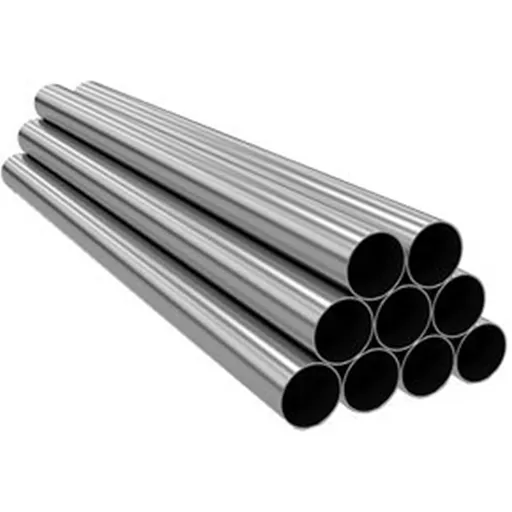
Alloy EFW Pipe
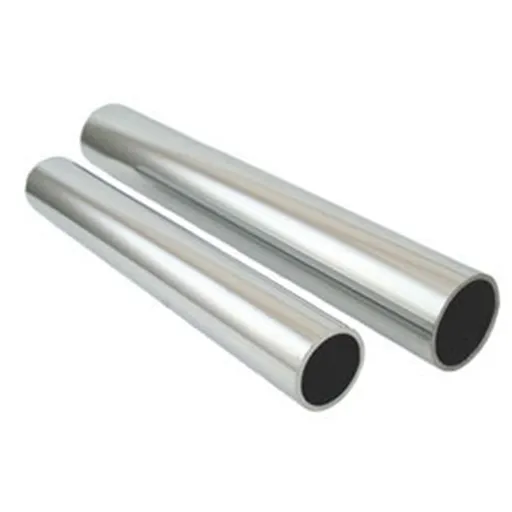
Alloy ERW Pipe
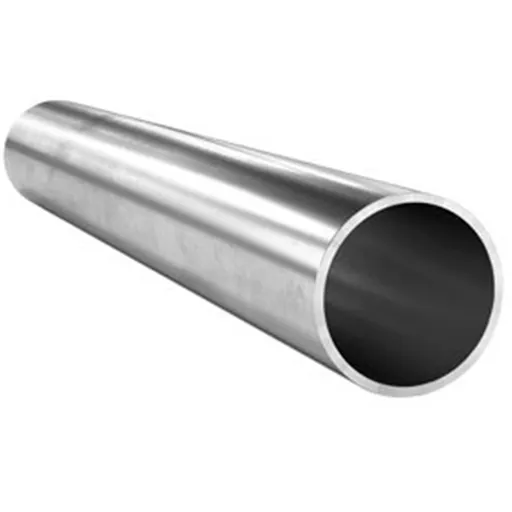
Alloy Seamless Pipe
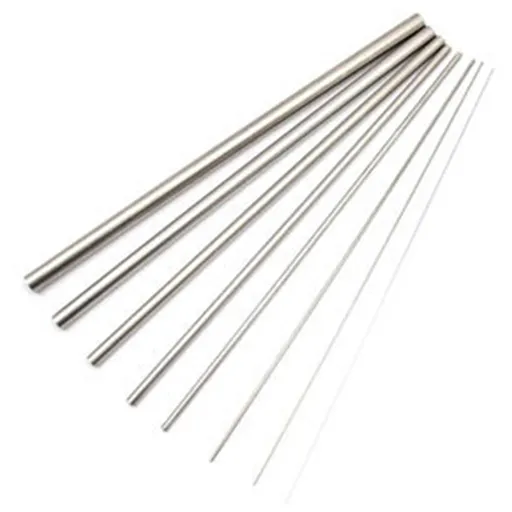
Alloy Welded Pipe
Hastelloy Alloy Capillary Tube
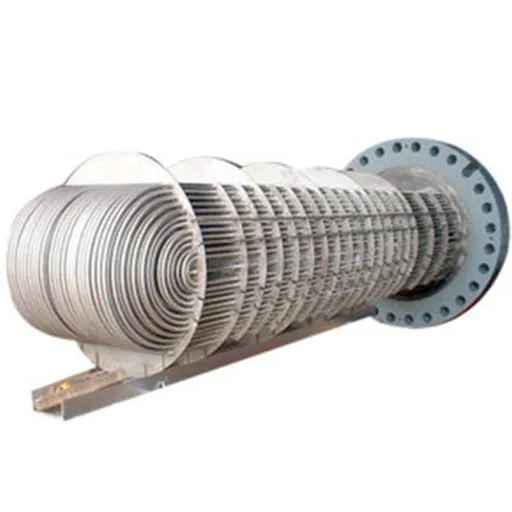
Hastelloy Alloy Heat Exchanger Tubes
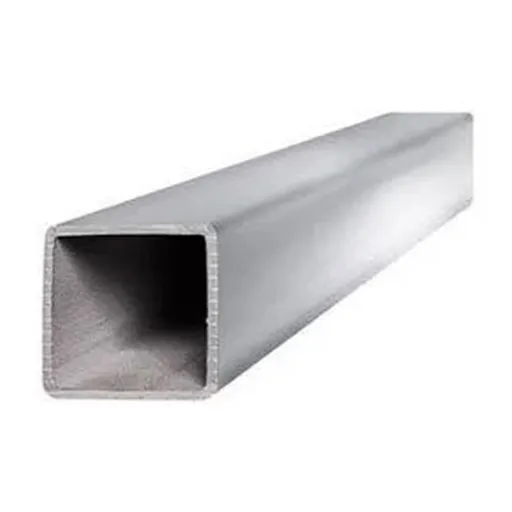
Hastelloy Alloy Square Tubes
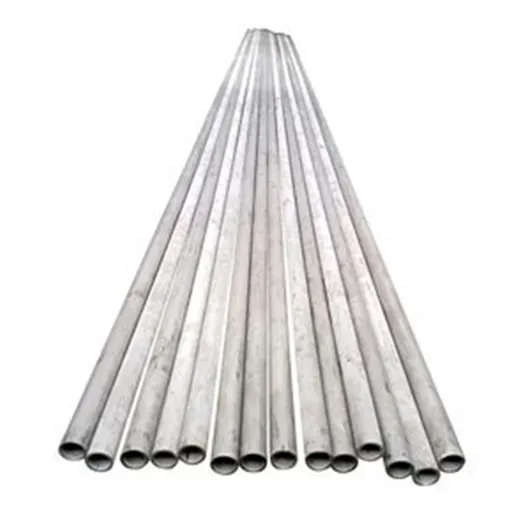
Hastelloy Alloy Welded Tube
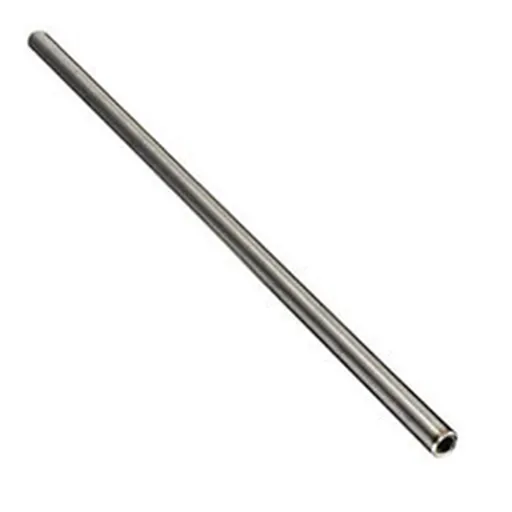
Hastelloy Seamless Tube
Hastelloy Pipe & Tube Applications
- Chemical Processing: acetic acid reactors, evaporators, digesters and transfer lines where the licensor names the alloy.
- Flue Gas Desulphurisation: scrubber circuits and ducting in the USA and India, a classic C276 and C22 duty.
- Hydrometallurgy & Mining: leach circuits and autoclave service, a growing African lane as processing moves closer to the orebody.
- Sour Gas & Refining: components in acid gas environments across Gulf facilities.
- Pulp, Paper & Bleaching: chlorine dioxide and hypochlorite service, where C276 is one of very few options.
- Pollution Control & Waste Treatment: municipal and industrial plant handling mixed aggressive streams.
Hastelloy Testing, Certification & Export to USA, Middle East & Africa
Material is supplied to the chemistry, mechanical and dimensional requirements of B622, B619 or B626 as ordered, with hydrostatic or nondestructive examination per the specification and ultrasonic testing on request. Every dispatch carries 100 percent positive material identification, piece by piece, with the readings attached to the EN 10204 3.1 mill test certificate, and 3.2 witnessing through BV, SGS or TUV at order stage. At these alloy prices PMI is not a premium service; it is the minimum standard of care, and the records travel with the cargo. Metinox Overseas is an ISO 9001 and PED certified company; the program is on our Quality Policy page. Supply is made to order against mill heats rather than held speculatively, so typical delivery runs 4 to 8 weeks by grade, size and quantity, shipped from Mumbai with alloy-segregated, labelled packing per Packing and Dispatch, because a mixed nickel alloy crate is an expensive mistake to unpick at site.
Explore Related Ranges
- Special Alloys Pipes & Tubes – the parent shelf, with the alloy-by-enemy selection table across Inconel, Monel and Incoloy
- Titanium Pipes & Tubes – seawater and wet chlorine duty, often at lower cost than a C-series alloy
- Super Duplex Steel Tubes – the step-down that answers many nickel enquiries honestly
- Stainless Steel Tubes – the austenitic families this shelf begins beyond
- Pipes & Tubes – the full catalogue
Hastelloy Pipes & Tubes: Frequently Asked Questions
They are built for opposite chemistries. The B alloys, B2 and B3, are nickel-molybdenum with around 30 percent molybdenum and very little chromium, and they resist reducing acids such as hydrochloric at all concentrations. The C alloys, C276 and C22, add chromium to handle oxidizing as well as reducing media, including wet chlorine and hypochlorite. Using a B alloy where oxidizers are present is the classic and expensive error.
Chromium content, at roughly 16 percent against 22. C22 resists oxidizing media better, particularly at higher temperature, and is stronger against intergranular attack in the weld heat affected zone. In reducing conditions the two behave broadly alike. C276 is the family volume grade with the widest availability, and C22 should not be taken above roughly 675 degrees C, where it enters a detrimental phase.
Because the B alloys have almost no chromium and therefore no defence against oxidizing conditions, and ferric and cupric ions are strong oxidizers. The trap is that nobody adds them deliberately: they form whenever hydrochloric acid contacts iron or copper elsewhere in the system, so a correctly specified B2 spool can be poisoned by its own plant. Where the upstream metallurgy is mixed or the acid is recovered rather than fresh, specify C276 instead.
Usually not. C276 and B2 carry very low carbon and strongly resist the grain-boundary precipitation that would otherwise degrade the weld heat affected zone, so they can normally enter chemical service as-welded without a solution anneal. That removes a furnace operation and a distortion risk from fabrication, which narrows the real cost gap against cheaper alloys. Matching filler and controlled heat input still apply.
Yes, made to order from mill-sourced material with 100 percent PMI records and 3.1 documentation travelling with the cargo. Chemical processing and FGD work in the USA, refining and sour gas in the Gulf, and hydrometallurgy in Africa are the regular lanes, and shipments are packed alloy-segregated and labelled so nothing gets mixed in transit.
Enquire Now
Get pricing within 24 hours!