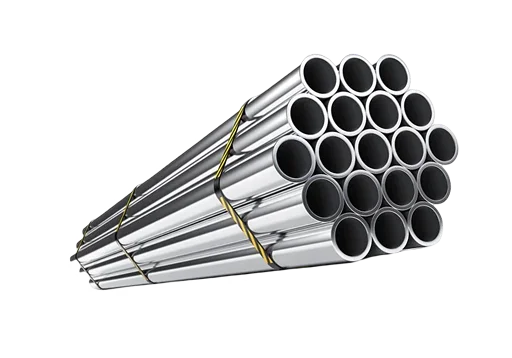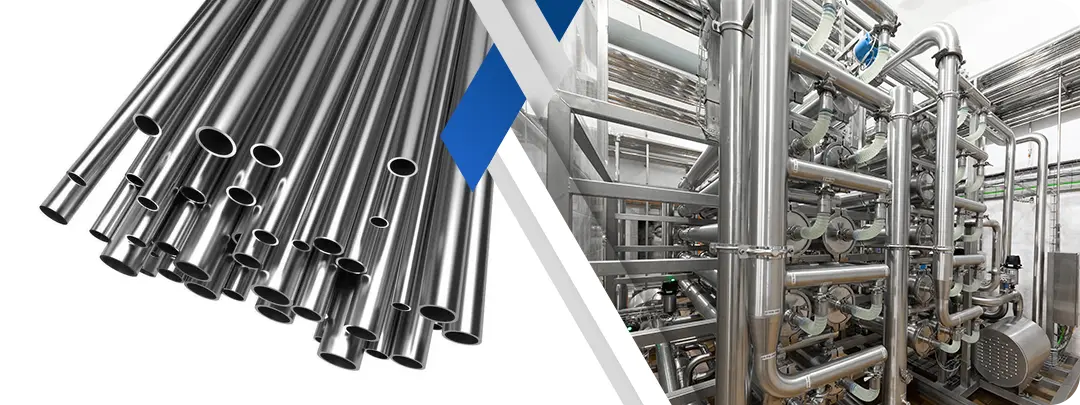
Inconel 600 is the alloy people reach for when the problem is heat or caustic, and the alloy people wrongly reach for when the problem is seawater. Metinox Overseas supplies Inconel 600 pipes and tubes to ASTM B167 seamless and B517 welded, UNS N06600, made to order with 100 percent PMI and 3.1 certification, serving furnace, nuclear and chemical buyers across India, the USA, the Middle East and Africa. It is a nickel-chromium-iron alloy that keeps strength and oxidation resistance to around 1093 degrees C and resists caustic and high-temperature chlorine, and its high nickel content makes it immune to chloride stress corrosion cracking. The wider nickel range sits at Special Alloys Pipes & Tubes.
The neighbours it gets confused with matter. For aqueous corrosion and seawater, Inconel 625 Pipes & Tubes or a super duplex are the right call, and for sulphuric and phosphoric acid duty the answer is Incoloy 825 Pipes & Tubes. 600 is a heat alloy first; specifying it for cold acid or seawater is the common and costly error this page exists to prevent.
Request a Quote on Inconel 600 Pipes & Tubes →
Table of content
- What Inconel 600 Is For (Heat, Not Seawater)
- Chloride SCC Immunity: The Property That Defines Inconel 600
- Inconel 600 Chemistry & Mechanical Properties
- Alloy 600 Standards, Sizes & Forms
- Where Inconel 600 Stops and 625 or 825 Begins
- Types of Inconel 600 Pipes & Tubes
- Inconel 600 Applications
- Inconel 600 Testing, PMI & Export to USA, Middle East & Africa
- Explore Related Grades
- Inconel 600 Pipes & Tubes: Frequently Asked Questions
What Inconel 600 Is For (Heat, Not Seawater)
The chromium gives oxidation and scaling resistance at high temperature, the nickel base carries it through caustic and chlorine atmospheres that attack stainless, and the whole alloy holds useful strength where austenitic grades soften. That is a furnace, retort and heat-treatment profile, not a marine one. In hot caustic soda and in dry chlorine and hydrogen chloride at temperature, 600 is a standard answer, and it also holds up in high-purity water systems, which is why it appears in nuclear steam generators.
Chloride SCC Immunity: The Property That Defines Inconel 600
The single property that sends engineers to 600 is its immunity to chloride stress corrosion cracking. Austenitic stainless grades crack under tensile stress in hot chlorides above about 60 degrees C, and that failure mode closes off whole categories of service to them. The high nickel content of 600 removes it. Where a component must sit stressed in a hot chloride-bearing atmosphere and cracking is the governing risk rather than general corrosion, 600 solves the problem that stainless cannot, which is a different job from resisting seawater immersion and worth keeping distinct.
Inconel 600 Chemistry & Mechanical Properties
| Element / Property | UNS N06600 |
|---|---|
| Nickel (+ Cobalt) | 72.0% min |
| Chromium | 14.0 – 17.0% |
| Iron | 6.0 – 10.0% |
| Carbon | 0.15% max |
| Tensile Strength | 550 MPa (80 ksi) min |
| Yield Strength | 240 MPa (35 ksi) min |
| Elongation | 30% min |
Limits per ASTM B167. The 72 percent minimum nickel is both the chloride SCC immunity and the caustic resistance in one number.
Where Inconel 600 Stops and 625 or 825 Begins
- Aqueous and seawater corrosion: 600 lacks the molybdenum for pitting resistance in cold chlorides; that is Inconel 625 or super duplex territory.
- Sulphuric and phosphoric acid: the copper-bearing Incoloy 825 is built for it; 600 is not.
- Reducing acid extremes: hot hydrochloric belongs to the Hastelloy B and C families.
600 is the heat-and-caustic specialist. Keep it there and it is superb; stretch it into cold aggressive aqueous service and it disappoints for reasons that are entirely predictable from its chemistry.
Types of Inconel 600 Pipes & Tubes
.webp)
Seamless Pipes & Tubes
ASTM B167 / B829
.webp)
Welded & Fabricated
ASTM B517 / B816
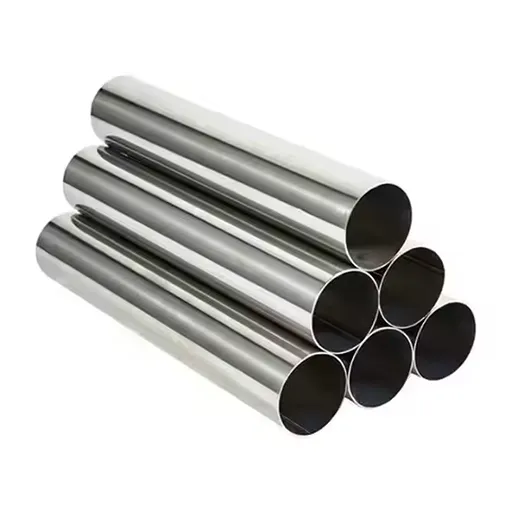
Aerospace & High-Precision
AMS 5580
.webp)
European & Special Forms
EN 2.4816
Inconel 600 Applications
- Furnace & Heat Treatment: retorts, muffles, baskets and radiant tubes in oxidizing and carburizing atmospheres.
- Chemical Processing: hot caustic, chlorine and hydrogen chloride service, including Gulf and Indian plant.
- Nuclear: steam generator and high-purity water components.
- Aerospace & Thermal Processing: high-temperature ducting and fixtures.
Inconel 600 Testing, PMI & Export to USA, Middle East & Africa
Material is supplied to B167 or B517 with examination per the standard, 100 percent PMI attached to the EN 10204 3.1 certificate, 3.2 through BV, SGS or TUV at order stage. Metinox Overseas is ISO 9001 and PED certified; see Quality Policy. Supply is made to order; typical delivery runs 4 to 8 weeks, shipped from Mumbai with alloy-segregated packing per Packing and Dispatch, to the USA, the Middle East and Africa, where thermal-processing and chemical plant are the busiest lanes.
Explore Related Grades
- Special Alloys Pipes & Tubes – the parent shelf with the alloy-by-enemy table
- Inconel 625 Pipes & Tubes – for aqueous and seawater corrosion with strength
- Incoloy 825 Pipes & Tubes – for sulphuric and phosphoric acid
- Hastelloy Pipes & Tubes – for reducing acid extremes
Inconel 600 Pipes & Tubes: Frequently Asked Questions
It is not the right choice. Inconel 600 has no molybdenum, so it lacks pitting and crevice resistance in cold chlorides and seawater. It is a high-temperature and caustic alloy. For seawater and aqueous chloride service, Inconel 625 or a super duplex grade is the correct specification.
Its high nickel content, a minimum of 72 percent. Austenitic stainless steels crack under stress in hot chlorides above about 60 degrees C, but nickel above roughly 45 percent confers immunity, which is why 600 is specified where a stressed component must sit in a hot chloride-bearing atmosphere.
It retains strength and oxidation resistance up to around 1093 degrees C, which places it firmly in furnace, retort and heat-treatment service. Actual allowable temperature depends on the atmosphere and the stress, but the alloy is fundamentally a high-temperature material.
Molybdenum and niobium. 600 is a nickel-chromium-iron heat and caustic alloy with no molybdenum. 625 adds molybdenum and niobium for aqueous and seawater corrosion resistance plus solid-solution strength. Choose 600 for hot dry atmospheres and caustic, 625 for wet chloride and acid service where strength is also needed.
Yes, made to order with 100 percent PMI and 3.1 documentation. Thermal processing and chemical plant in the USA and the Gulf, and furnace work across the region, are the regular lanes, shipped alloy-segregated and labelled from Mumbai.
Enquire Now
Get pricing within 24 hours!