ASTM A694 F65 Ultra High Yield Carbon Steel Pipeline Flanges Manufacturer & Supplier
Metinox Overseas is one of the most trusted ASTM A694 F65 Ultra High Yield Carbon Steel Flanges manufacturers, which is the finest grade of the A694 specification designed to serve the most aggressive high-pressure transmission service in offshore, deepwater, and pipeline critical services. Our ASME SA694 F65 Forged Flanges are made of ultra-high-yield microalloyed carbon steel with managed chemical composition to be compatible with API 5L X65 line pipe and ASTM A860 WPHY65 pipe fittings with minimum yield strength of 450 MPa (65 ksi) and tensile strength of 535-760 MPa (77-110 ksi). They are Ultra High Yield A694 F65 Flanges that are specifically developed to suit extremely high-pressure transmission pipelines, deepwater offshore platforms, Arctic pipeline systems, and wellhead equipment of high priority that demanded the highest degree of strength obtainable by carbon steel pipeline components.
The process of mandatory heat treatment quenching and tempering or normalizing and tempering in combination with fully-deoxidized melting, controlled microalloying and hot forging is guaranteed to produce ultra fine grained microstructure, high strength-toughness combination, and reliable performance under the most arduous conditions of operating conditions (high pressure, thermal cycling, and dynamic loading). ASTM A694 F65 Weld Neck Flanges, Slip-On Flanges, Blind Flanges and Threaded Flanges are produced in full compliance with ANSI/ASME B16.5 (1/2" to 24" NB), ASME B16.47 Series A and B (26" to 60" NB) and MSS SP-44 dimensional standards available in classes of pressure up to 150# to 2500#. A comprehensive quality test is performed on each of the flanges such as dimensional inspection, PMI checking and microalloying elements analysis, tensile, mandatory Charpy impact, hardness and ultrasonic test, and determination of the grain size as per ASTM A961 and buyer requirements, and meets API, ASME, NACE, and international offshore standards.

Table of Contents
- ASTM A694 F65 Flanges Technical Specifications
- ASTM A694 F65 Equivalent Grades
- ASTM A694 F65 Chemical Composition
- Mechanical Properties of ASTM A694 F65 Flanges
- ASTM A694 F65 Flange Dimensions & Pressure Rating Chart
- Types of ASTM A694 F65 Flanges Available
- Standard Flange Sizes & Weight Chart
- Is ASTM A694 F65 Good Quality for Extreme High-Pressure Applications?
- Heat Treatment & Testing Requirements
- ASTM A694 F65 Ultra High Yield Flanges Price List 2026
- Applications of ASTM A694 F65 Flanges in Industry
- Why Choose ASTM A694 F65 Flanges from Metinox Overseas?
- ASTM A694 F65 Flange Delivery Time & CIF Pricing by Country
- Other Types of Ultra High Yield A694 F65 Flanges
- Popular Locations Where We Supply ASTM A694 F65 Flanges
- Frequently Asked Questions (FAQ)
ASTM A694 F65 Flanges Technical Specifications
| Feature | Details |
| Specifications | ASTM A694 / ASME SA694 / MSS SP-44 |
| Grade | F65 (65 ksi minimum yield strength - highest in A694 series) |
| Dimensional Standards | ANSI/ASME B16.5, B16.47 Series A & B, MSS SP-44, API 6A |
| Size Range | 1/2" (15 NB) to 60" (1500 NB) |
| Pressure Class | 150#, 300#, 400#, 600#, 900#, 1500#, 2500# (B16.5); 75#, 150#, 300#, 400#, 600#, 900# (B16.47) |
| Material Type | Ultra High Yield Microalloyed HSLA Steel |
| Matching Pipe Grade | API 5L X65 PSL 1 / PSL 2 |
| Matching Fittings | ASTM A860 WPHY65, MSS SP-75 |
| Flange Types | Weld Neck, Slip-On, Blind, Socket Weld, Lap Joint, Threaded, Orifice, Long Weld Neck |
| Flange Face | Raised Face (RF), Flat Face (FF), Ring Type Joint (RTJ), Male & Female, Tongue & Groove |
| Manufacturing Type | Hot Forged (not machined from plate or bar stock) |
| Heat Treatment | Quenched & Tempered, or Normalized & Tempered (Mandatory) |
| Impact Testing | Charpy V-Notch Impact Testing Commonly Required |
| Testing | Tensile, Hardness, PMI, Ultrasonic, Hydrostatic, Impact, Grain Size, Microstructure |
| Inspection | Third Party Inspection by TUV, SGS, Bureau Veritas, Lloyd's, DNV GL, BV, ABS |
| Certifications | EN 10204 3.1B MTC, NACE MR0175, PED 2014/68/EU, CE Marked, API 6A, ASME B31.3, B31.4, B31.8 |
ASTM A694 F65 Equivalent Grades
| Standard | USA | Europe | Japan | China | API |
| A694 F65 | ASTM A694 F65 ASME SA694 F65 |
- | - | - | API 5L X65 PSL 1 / PSL 2 |
Note: A694 F65 is designed to match API 5L X65 line pipe grade, representing the highest strength commonly used in carbon steel pipeline systems for extreme high-pressure applications.
ASTM A694 F65 Chemical Composition
The detailed composition of this material is given in the following table.
| Element | Composition (%) | Function |
| Carbon (C) | As agreed (typically 0.16-0.24 max) | Controlled low carbon for weldability and toughness |
| Manganese (Mn) | As agreed (typically 1.20-1.85) | Primary strengthening element, toughness |
| Phosphorus (P) | 0.025 max (more stringent than F42/F52/F60) | Strictly controlled for toughness |
| Sulfur (S) | 0.015 max (more stringent than F42/F52/F60) | Minimized for optimal toughness and HIC resistance |
| Silicon (Si) | As agreed (typically 0.20-0.50) | Deoxidizer, strength enhancement |
| Copper (Cu) | Reported if present (typically 0.30-0.50) | Corrosion resistance |
| Nickel (Ni) | Reported if present (typically 0.30-0.50) | Toughness, low-temperature properties |
| Chromium (Cr) | Reported if present (typically 0.15-0.35) | Strength, hardenability |
| Molybdenum (Mo) | Reported if present (typically 0.15-0.35) | Strength, toughness, hardenability |
| Vanadium (V) | Reported if present (typically 0.03-0.12) | Grain refinement, precipitation strengthening |
| Niobium (Nb) | Reported if present (typically 0.03-0.10) | Primary microalloying element for HSLA strengthening |
| Titanium (Ti) | Reported if present (typically 0.01-0.04) | Grain refinement, nitrogen fixing |
| Boron (B) | Reported if present (typically 0.0005-0.003) | Hardenability, grain boundary strengthening |
| Aluminum (Al) | Reported if present (typically 0.015-0.060) | Deoxidizer, grain refinement |
Note: F65 uses sophisticated microalloying to achieve 65 ksi yield while maintaining low carbon for excellent weldability and toughness. P and S limits more stringent than lower grades. Carbon Equivalent: CE = C + Mn/6 + (Cr+Mo+V)/5 + (Cu+Ni)/15, typically = 0.43-0.45 (lower than F60 for better weldability despite higher strength).
Mechanical Properties of ASTM A694 F65 Flanges
The mechanical properties decide the shelflife of the material. The table below gives the information about the mechanical properties of ASTM A694 F65 Flanges.
| Property | Requirement | Testing Standard |
| Tensile Strength | 535-760 MPa (77-110 ksi) | ASTM A370 |
| Yield Strength (0.2% offset) | 450 MPa (65 ksi) minimum | ASTM A370 |
| Elongation in 2" | 22% minimum | ASTM A370 |
| Reduction of Area | Not specified (typically >50%) | ASTM A370 |
| Hardness (Brinell) | Typically 180-240 HB (=248 HB for sour service) | ASTM E10 |
| Charpy V-Notch Impact | Commonly specified: 40-60 J at 0-C or -10-C | ASTM A370 |
| Tensile/Yield Ratio | Typically 0.83-0.90 | - |
| Yield to Tensile Ratio | =0.93 typical for PSL 2 compatibility | - |
Note: F65 provides 81% higher yield strength than A105 (36 ksi), 55% higher than F42, 25% higher than F52, and 8% higher than F60. Represents the highest strength available in carbon steel pipeline flanges.
ASTM A694 F65 Flange Dimensions & Pressure Rating Chart
Pressure-Temperature Ratings for A694 F65 Flanges
| Temperature -F (-C) | Class 150 | Class 300 | Class 600 | Class 900 | Class 1500 | Class 2500 |
|---|---|---|---|---|---|---|
| -20 to 100 (-29 to 38) | 285 psi | 740 psi | 1480 psi | 2220 psi | 3705 psi | 6170 psi |
| 200 (93) | 260 psi | 675 psi | 1350 psi | 2025 psi | 3375 psi | 5625 psi |
| 300 (149) | 230 psi | 655 psi | 1315 psi | 1970 psi | 3280 psi | 5470 psi |
| 400 (204) | 200 psi | 635 psi | 1270 psi | 1900 psi | 3170 psi | 5280 psi |
| 500 (260) | 170 psi | 600 psi | 1200 psi | 1795 psi | 3000 psi | 4995 psi |
| 600 (316) | 140 psi | 550 psi | 1095 psi | 1640 psi | 2735 psi | 4560 psi |
Note: Pressure ratings per ASME B16.5. F65's ultra-high yield strength (65 ksi vs 36 ksi for A105, 81% higher) provides maximum material strength reserve for extreme high-pressure pipeline service.
Types of ASTM A694 F65 Flanges Available
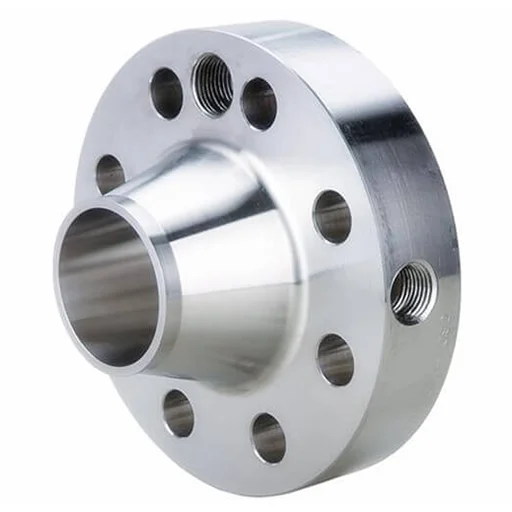
ASTM A694 F65 Orifice Flange
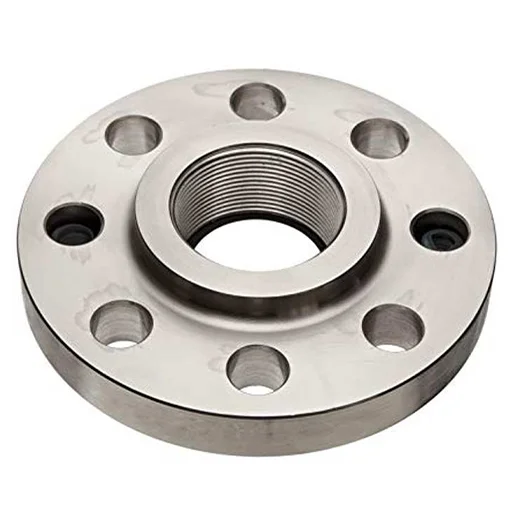
ASTM A694 F65 Threaded Flange
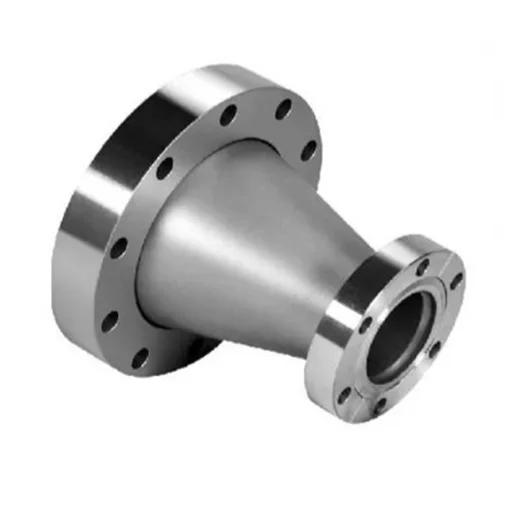
ASTM A694 F65 Reducing Flange
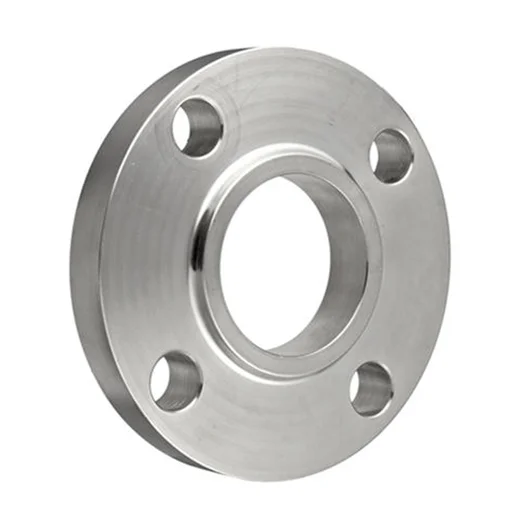
ASTM A694 F65 Lap Joint Flange
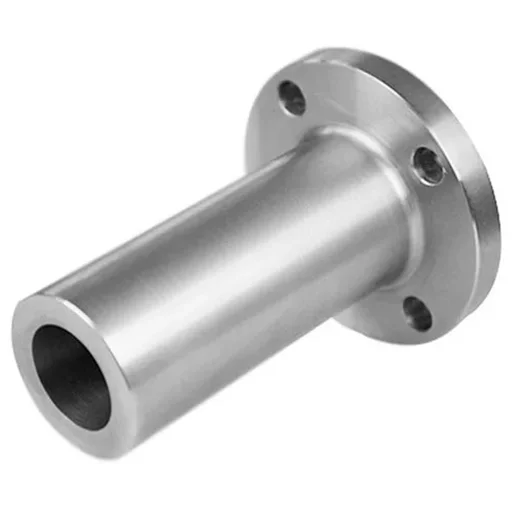
ASTM A694 F65 Long Weld Neck Flange
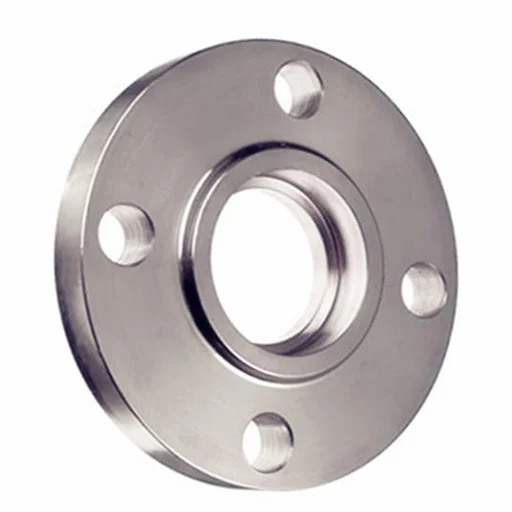
ASTM A694 F65 Socket Weld Flange
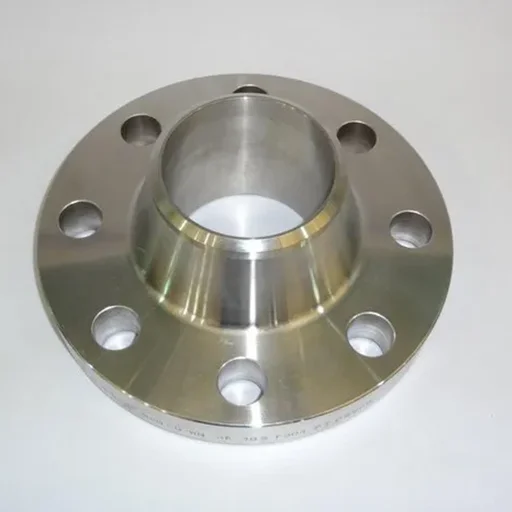
ASTM A694 F65 Weld Neck Flange
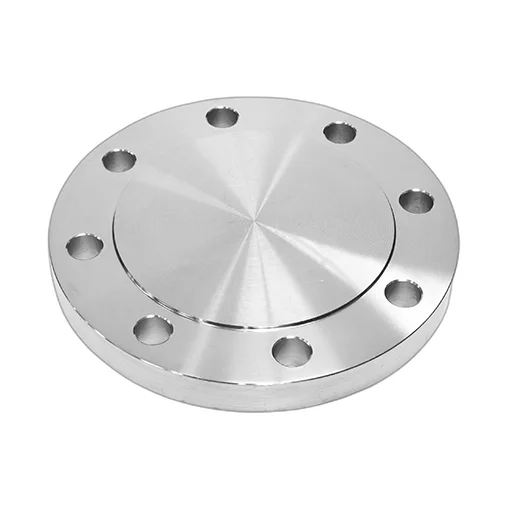
ASTM A694 F65 Blind Flange
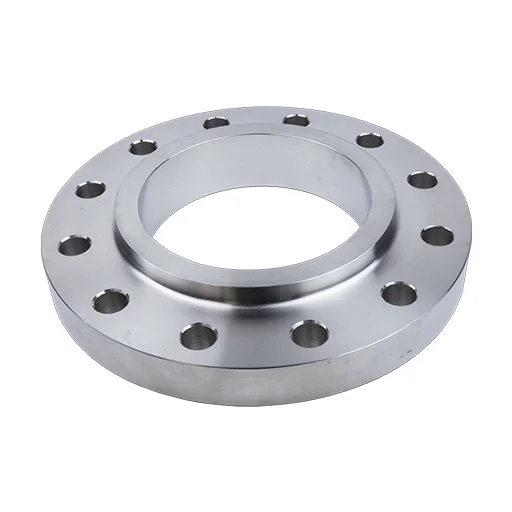
ASTM A694 F65 Slip-On Flange
Standard Flange Sizes & Weight Chart
ASTM A694 F65 Weld Neck Flange Dimensions (ANSI B16.5) - Class 900 Sample
| NPS | Outside Diameter (mm) | Thickness (mm) | Bore (mm) | Hub Dia (mm) | Bolt Circle (mm) | No. of Bolts | Bolt Dia | Approx Weight (kg) |
|---|---|---|---|---|---|---|---|---|
| 1/2" | 95 | 21 | 21 | 44 | 66 | 4 | M19 | 1.05 |
| 1" | 117 | 24 | 33 | 60 | 89 | 4 | M19 | 1.80 |
| 2" | 156 | 29 | 60 | 86 | 121 | 8 | M19 | 4.20 |
| 4" | 273 | 38 | 114 | 152 | 216 | 8 | M28 | 16.5 |
| 6" | 330 | 48 | 168 | 216 | 270 | 12 | M28 | 32.0 |
| 8" | 419 | 54 | 219 | 276 | 330 | 12 | M32 | 58.0 |
| 10" | 508 | 60 | 273 | 343 | 419 | 16 | M32 | 95.0 |
| 12" | 559 | 64 | 324 | 394 | 495 | 20 | M32 | 125.0 |
| 16" | 679 | 79 | 419 | 511 | 622 | 20 | M38 | 225.0 |
| 20" | 813 | 92 | 508 | 619 | 749 | 24 | M45 | 385.0 |
| 24" | 940 | 105 | 610 | 730 | 864 | 24 | M45 | 565.0 |
Is ASTM A694 F65 Good Quality for Extreme High-Pressure Applications?
Yes, ASTM A694 F65 is the most advanced of the carbon steel pipeline flange systems, with the highest level of strength (65 ksi minimum yield) that is in the A694 specification, and that is needed in the highest pressure transmission of the toughest pressure. The F65 designation signifies a minimum yield strength of 65ksi (450 Mpa), 81% greater than standard A105 (36 ksi), 55 greater than f42 (42 ksi), 25 greater than f52 (52 ksi) and 8 greater than f60 (60 ksi) giving maximum material strength margin when operating in extreme environments, deepwater loads, and where the failure of a pipeline is unacceptable.
A694 F65 is metallurgically specified to correspond with API 5L X65 line pipe which is the upper end of carbon steel pipe grades used in ultra-high-pressure transmission pipelines, offshore export systems and deepwater developments. The material is based on advanced thermomechanical controlled processing (TMCP) and controlled rolling and accelerated cooling and microalloying technology. Niobium, vanadium and titanium are precisely managed to create grain refinement and precipitation strengthening that are 65 ksi yield strength yet the carbon level remains relatively low (usually less than 0.24 percent) to offer excellent weldability and toughness.
The specification is that it should be made with fully-deoxidized steel and it is also limited to phosphorus (0.025% maximum) and sulfur (0.015% maximum) in a way that maintains the maximum toughness and resistance to hydrogen-induced cracking (HIC) in sour service. Heat treatment is required and is usually quenching and tempering or normalizing and tempering to form ultra-fine grained microstructure with a good strength toughness ratio. Charpy impact testing is generally a requirement when the F65 is used to test the sufficient notch toughness at the design minimum temperature.
Deepwater offshore pipelines that run under extreme pressure, pipelines in the Arctic that demand high strength and good low-temperature toughness, high-pressure gas transmission line pipelines, high-pressure wellhead manifolds in offshore platforms, and where the effects of failure are very severe are the applications of F65. It is the carbon steel technology of making pipes to the highest capacity, with even greater strengths necessitating low-alloy steels or duplex stainless steels. F65 is priced higher than the competitors, but it offers superior mechanical qualities, which are worth the price in projects where extreme reliability, minimum wall thickness, and high performance to extreme conditions are required
Heat Treatment & Testing Requirements of ASTM A694 F65
Heat Treatment Parameters
| Parameter | Requirement |
| Preferred Heat Treatment | Quenching + Tempering |
| Alternate Heat Treatment | Normalizing + Tempering |
| Tempering Temperature | Minimum 600-C (1112-F) - mandatory (highest in A694 series) |
| Holding Time (Tempering) | Minimum 1 hour per 25 mm (1 inch) of thickness |
| Cooling After Tempering | Controlled cooling to achieve target hardness |
| Target Microstructure | Fine-grained tempered martensite (preferred) |
Quenching + Tempering (Preferred for F65)
| Step | Requirement |
| Austenitizing | Heat to 900-950-C |
| Quenching Medium | Water or polymer quench |
| Purpose | Achieve fine-grained martensitic structure |
| Tempering | Minimum 600-C, adequate holding time |
| Cooling | Air cool |
Normalizing + Tempering (Alternate)
| Step | Requirement |
| Normalizing | Heat to 900-950-C |
| Cooling After Normalizing | Uniform cooling in still air |
| Tempering | Minimum 600-C, adequate holding time |
| Cooling | Air cool |
Manufacturing Requirements
| Parameter | Requirement |
| Steel Making | Fully-deoxidized EAF or BOF with strict chemistry control |
| Material Type | Microalloyed HSLA (High Strength Low Alloy) steel |
| Forging Method | Hot forging with controlled temperature and reduction ratios |
| Prohibited Practice | Machining from plate or solid bar not permitted |
| Grain Size | Fine austenitic grain size, typically ASTM #6 or finer |
Mechanical Testing Requirements
| Test | Requirement |
| Tensile Testing (ASTM A370) | Yield = 65 ksi Tensile: 77-110 ksi Elongation = 22% |
| Hardness Testing | Brinell 180-240 HB |
| NACE Maximum Hardness | = 248 HB |
Chemical & Material Verification
| Test | Requirement |
| PMI Testing | Complete chemical verification |
| Product Chemical Analysis | Mandatory reporting of Nb, V, Ti, B, Al |
| Deoxidation Practice | Fully killed steel |
Impact Testing (Charpy V-Notch)
| Parameter | Requirement |
| Specimen Size | Full size 10 mm - 10 mm (preferred) |
| Test Temperature | Typically 0-C to -20-C (as specified) |
| Average Energy | 40-60 J |
| Single Value Minimum | 32-45 J |
| Standard | As per design code or purchaser specification |
Additional Quality & NDT Requirements
| Test | Standard / Purpose |
| Ultrasonic Testing | ASTM A388 (common for critical F65 applications) |
| Grain Size Determination | ASTM grain size #5-#7 |
| Microstructural Examination | Optical microscopy to verify tempered structure |
| Macro-Etch Testing | Verify grain flow and freedom from harmful defects |
ASTM A694 F65 Ultra High Yield Flanges Price List 2026
| Flange Type | Size Range | Pressure Class | Indicative Price Range (USD/Piece) |
|---|---|---|---|
| Weld Neck (WN) | 1/2" - 2" | 150# | $13 - $34 |
| Weld Neck (WN) | 4" - 8" | 150# | $48 - $185 |
| Weld Neck (WN) | 10" - 24" | 150# | $295 - $1,120 |
| Weld Neck (WN) | 1/2" - 2" | 300# | $20 - $52 |
| Weld Neck (WN) | 4" - 8" | 300# | $78 - $320 |
| Weld Neck (WN) | 10" - 24" | 300# | $450 - $1,550 |
| Weld Neck (WN) | 1/2" - 2" | 600# | $30 - $75 |
| Weld Neck (WN) | 4" - 8" | 600# | $135 - $480 |
| Weld Neck (WN) | 10" - 24" | 600# | $650 - $2,280 |
| Weld Neck (WN) | 1/2" - 2" | 900# | $42 - $98 |
| Weld Neck (WN) | 4" - 8" | 900# | $185 - $620 |
| Slip-On (SO) | 1/2" - 2" | 150# | $11 - $28 |
| Slip-On (SO) | 4" - 8" | 150# | $40 - $145 |
| Slip-On (SO) | 10" - 24" | 150# | $240 - $890 |
| Blind (BL) | 1/2" - 2" | 150# | $10 - $26 |
| Blind (BL) | 4" - 8" | 150# | $42 - $155 |
| Blind (BL) | 10" - 24" | 150# | $270 - $1,080 |
| Socket Weld (SW) | 1/2" - 2" | 150# - 600# | $17 - $65 |
Note: A694 F65 flanges are typically 40-55% higher than A105, 28-35% higher than F42, 18-25% higher than F52, and 8-12% higher than F60 due to microalloying, sophisticated heat treatment (Q&T), mandatory impact testing, and stringent quality requirements.
Applications of ASTM A694 F65 Flanges in Industry
The ASTM A694 F65 Ultra High Yield Pipeline Flanges are commonly used in many industrial applications, and some of the common industries are given below.
Deepwater Offshore
Deepwater offshore pipelines (depth of more than 1000m in water), ultra-deepwater export systems, high-pressure risers.
Offshore Platforms
Floating production systems (FPSO), tension leg platforms (TLP), offshore production and platform in the harsh environment.
High-Pressure Transmission
Ultra-high-pressure gas transportation (>1200 psi) Long-distance high-pressure crude oil pipelines.
Arctic Operations
The Arctic offshore pipelines that need high strength and excellent toughness at low temperatures, the permafrost areas.
Wellhead Equipment
Christmas tree manifolds of ultra-high pressure, high-pressure production manifolds, high-pressure critical wellhead connections.
Gas Compression
Stations of compressing high pressure gas, compressor discharge piping under extreme pressure.
Deepwater Developments
High-pressure high-temperature (HPHT) wells, ultra-deep, pre-salt oil field developments.
Critical Pipelines
Pipelines that have high consequences (HCA), pipelines that traverse sensitive areas, export trunk lines.
LNG Projects
BOG compressors, pipelines of high pressure feed gas to LNG plants.
Enhanced Oil Recovery
Ultra-high-pressure injection Pipelines, high-pressure injection systems using water.
Why Choose ASTM A694 F65 Flanges from Metinox Overseas?
The Metinox Overseas provides high quality ASTM A694 F65 ultra-high-yield pipeline flanges exhibiting a guaranteed mechanical property, advanced certification of heat treatment, deep examination of microalloying elements, mandatory impact test and complete adherence to the API 5L X65 compatibility specifications of the most demanding worldwide offshore and onshore pipeline high-pressure endeavors. We have certified ISO 9001:2015, ISO 14001:2015, OHSAS 18001, PED 2014/68/EU, and API Monogram facilities, which guarantee that every F65 flange receives controlled quenching and tempering heat treatment (or normalizing and tempering) at a minimum of 600-C tempering temperature with recorded furnace furnishments, pyrometer calibration records, time-temperature pattern and metallurgical certification.
Each flange is supplied with detailed EN 10204 3.1B 3.2 Mill Test Certificates with complete chemical analysis with all elements reported and certified (C, Mn, P, S, Si, Cu, Ni, Cr, Mo, V, Nb, Ti, B, Al, N) tensile test results with actual yield strength =65 ksi and range of tensile strength 77-110 ksi, range of elongation =22%, area reduction, Charpy V-notch impact test results with detailed results.
Included is our state-of-the art NABL and A2LA accredated metallurgical laboratory which offers high level testing such as optical emission spectroscopy certified standards of accurate determination of microalloying elements, servo-hydraulic universal testing machine of tensile testing as per ISO 6892/ASTM A370, automated instrumented Charpy impact testing of temperature control +300-C to -196-C, Brinell, Rockwell and Vickers hardness testing, full metallography including optical microscopy.
Our technical staff is highly experienced in supplying A694 F65 flanges to large deepwater developments (Gulf of Mexico, Brazilian pre-salt, West Africa), arctic developments (Sakhalin, Norwegian Sea) and ultra-high-pressure transmission pipelines across the globe and therefore can provide valuable advice on API 5L X65 PSL 2 corrosibility requirements, the use of microalloyed steels in welding (according to API 1104) with consideration of the controlled heat input and post-weld cooling.
We have maintained minimal strategic stock of F65 flange sizes in strategically important offshore projects with the capacity to run expedited quench/ temper operation, full-fledged supplementary test programmes, and expedited delivery of urgent deepwater and Arctic operation. Offshore contractors (Saipem, Subsea 7, TechnipFMC) and serving other EPC companies of the world with no compromise quality assurance, full traceability, and any reliable on-time delivery of mission-critical applications.
ASTM A694 F65 Flange Delivery Time & CIF Pricing by Country
| Destination Region | Major Ports / Cities | Estimated Delivery Time | Typical CIF Terms |
|---|---|---|---|
| Middle East (GCC) | Dubai, Dammam, Doha, Muscat, Kuwait, Bahrain | 10-14 Days | CIF Dubai / CIF Dammam |
| Europe | Rotterdam, Hamburg, Antwerp, Southampton, Felixstowe | 24-30 Days | CIF Rotterdam / CIF Hamburg |
| USA & Canada | Houston, New York, Los Angeles, Vancouver, Montreal | 30-38 Days | CIF Houston / CIF New York |
| Southeast Asia | Singapore, Port Klang, Manila, Jakarta, Bangkok | 14-20 Days | CIF Singapore / CIF Port Klang |
| Africa | Lagos, Durban, Mombasa, Alexandria | 20-28 Days | CIF Lagos / CIF Durban |
| South America | Santos, Buenos Aires, Callao | 35-45 Days | CIF Santos / CIF Buenos Aires |
| Australia | Melbourne, Sydney, Brisbane | 28-35 Days | CIF Melbourne / CIF Sydney |
Other Types of Ultra High Yield A694 F65 Flanges
ASTM A694 F65 Ultra High Yield Flanges, Pipeline A694 F65 Weld Neck Flanges, SA694 F65 Slip-On Flanges, ASME A694 F65 Blind Flanges, A694 F65 Socket Weld Flanges, A694 F65 Threaded Flanges, ANSI B16.5 A694 F65 Lap Joint Flanges, Ultra High Yield A694 F65 Orifice Flanges, A694 F65 Long Weld Neck Flanges, ASTM A694 F65 Reducing Flanges, A694 F65 Class 300 Flanges, A694 F65 Class 600 Flanges, A694 F65 Class 900 Flanges, A694 F65 Class 1500 Flanges, A694 F65 RTJ Flanges, A694 F65 WNRF Flanges, A694 F65 Deepwater Flanges, A694 F65 Offshore Flanges.
Popular Locations Where We Supply ASTM A694 F65 Flanges
ultra high yield a694 f65 flanges supplier in singapore, astm a694 f65 flanges suppliers in qatar, a694 f65 pipeline flanges suppliers in uae, astm a694 f65 flanges suppliers in chennai, a694 f65 weld neck flanges in mumbai, astm a694 f65 blind flanges in delhi, asme sa694 f65 flanges price list, a694 f65 ultra high yield flanges exporter, a694 f65 flanges supplier in saudi arabia, a694 f65 to match api 5l x65 supplier, a694 f65 deepwater flanges, a694 f65 offshore pipeline flanges, a694 f65 arctic pipeline flanges.
People Also Search For
astm a694 f65 ultra high yield flanges manufacturer, a694 f65 pipeline flanges supplier, asme sa694 f65 flanges exporter, carbon steel a694 f65 weld neck flanges, a694 f65 slip-on flanges price, astm a694 f65 blind flanges dimensions, a694 f65 socket weld flanges specifications, astm a694 f65 flanges price list 2026, a694 f65 vs f60 difference, a694 f65 to match api 5l x65, a694 f65 deepwater applications, a694 f65 offshore flanges, a694 f65 quenched and tempered.
Looking for High-Quality ASTM A694 F65 Flanges?
Let us support your projects with quality, precision, and performance.
Frequently Asked Questions (FAQ)
F65 is stronger in yield (65 ksi compared to 60 ksi which is some 8 percent stronger) and in tensile strength range (77-110 ksi compared to 75-95 ksi). F65 has a greater need of higher tempering temperature (at least 600-C vs 590-C), additional stringent P and S limits (0.025%/0.015% vs 0.035%/0.035%) and often requires impact testing to be performed. F65 is an equivalent of API 5L X65 pipe in extreme high pressure use.
F65 is the maximum level of strength (65 ksi yield) in carbon steel pipeline flanges. It employs advanced microalloying (Nb, V, Ti) as well as quenching and tempering to produce maximum strength and at the same time remain weldable and tough. F65 is designed to meet the most demanding of putty-in-service: deepwater offshore service, in the arctic, service in ultra-high-pressure transmission service where material performance is important.
The average preference in F65 is quenching and tempering (Q&T), to obtain the best strength-toughness balance of the alloy and to obtain a uniform mechanical property. Q&T grain martensitic structure has a fine-grain and is tempered at 600-C minimum which yields more impact toughness than normalizing and tempering. F65 specifications mostly need Q&T processing.
Impact testing is not required per base ASTM A694, but is generally ordered on F65 because of its high level of strength and in situations that demand high levels of reliability. Characteristic requirements: Charpy V-notch testing at 0-C -20-C, minimum 40-60 J average (30-45 ft-lbf)/ 3 specimen, minimum 32-45 J/ 1 specimen. Maximum test temperature is a result of design minimum temperature and codes.
Yes but with high qualification. To sour service to NACE MR0175/ISO 15156: state HIC testing to NACE TM0284 (ratio of the length of a crack, ratio of the thickness of a crack, ratio of crack sensitivity), state SSC testing to NACE TM0177 Method A (tensile), state hardness =22 HRC (248 HB) maximum, state product chemistry with limited CE =0.43 and state documented sour service procedures. The F65 is more challenging to qualify compared to low-grades.
A F65 constrains phosphorus to 0.025 percent max and sulfur to 0.015 percent max (compared to 0.035 percent each in F42/F52/F60) to provide maximum toughness and HIC resistance at the increased strengths. Lower P decreases the grain boundary segregation; lower S decreases the content of MnS inclusion which may cause HIC. Strict limits in deepwater as well as sour services.
Enquire Now
Get pricing within 24 hours!