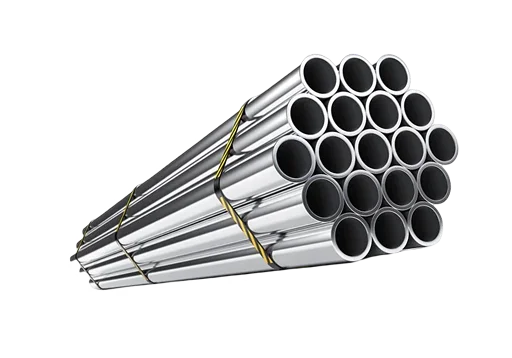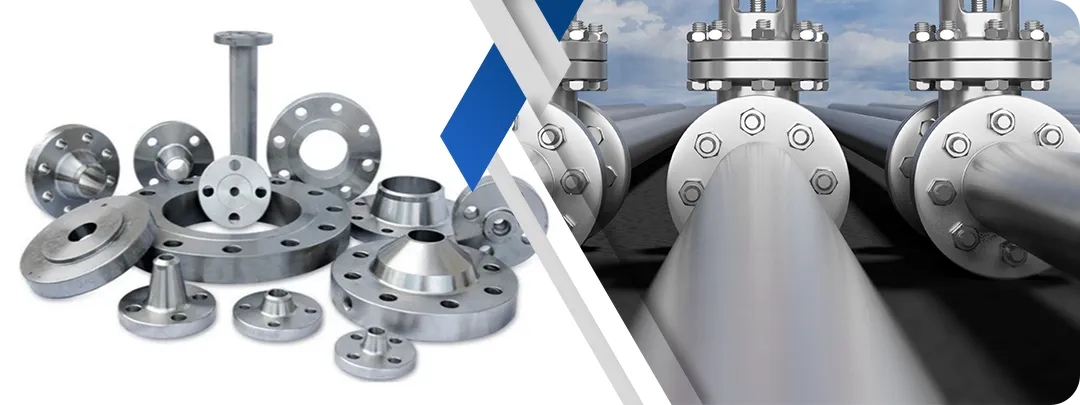
Alloy B2 Flanges Manufacturer in India
Alloy B2 is a nickel-molybdenum alloy of high-performance specifically designed to provide excellent resistance to robust reducing agents, as well as, aggressive corrosive conditions. It has an excellent resistance to hydrochloric acid, sulphuric acid, phosphoric acid, acid acetic acid and other non-oxidizing acid and is one of the most dependable materials in extreme chemical processing conditions. The use of Alloy B2 Flanges is common in piping systems, which have maximum corrosion resistance and structural reliability as well as long service life. These flanges have a good application in high pressure, chemically aggressive conditions, which guarantee good structural integrity and no leaks connection during the process of chemical processing plants, pharmaceutical industries, petrochemical plants, refineries, fertilizer plants, acid production units, oil and gas processing systems, pollution control plants, heat exchanger and specialty chemical industries.
What Are Alloy B2 Flanges?
Alloy B2 flanges are manufactured under the requirements of the ASTM B564 / UNS N10665 standards under the use of forged and rolled nickel alloy to meet the high-performance piping systems. It is mainly alloyed with nickel and molybdenum giving it the greatest resistance to consistent corrosion, pitting, crevice corrosion, and stress corrosion cracking particularly in reducing and acidic environments. Alloy B2 flanges are developed specially to suit systems that are subjected to adverse industrial media, high pressure, and continuous chemical service. They find wide application in chemical plants, refineries, acid handling plants, fertilizer plants, pharmaceutical processing, oil and gas plants, heat exchangers, pollution controls and in industrial process piping systems where corrosion resistance, mechanical stability, and long life are of paramount importance.

Table of Contents

- Specification of Alloy B2 Flanges
- Chemical Properties of UNS N10665 Blind Flange
- Mechanical Properties of Hastelloy B2 Flanges
- Hastelloy Alloy B2 Flange Equivalent Material
- Weight Chart of B2 Nickel Alloy Pipe Flanges
- ASTM B564 UNS N10665 Flanges Dimension Chart
- Pressure Rating Chart of ASTM B564 UNS N10665 PN16 Flange
- Different Types of Nickel B2 Flange
- Application and Industrial Usage of Alloy B2 Flanges
- Frequently Asked Questions (FAQ)
Specification of Alloy B2 Flanges
| Category | Details and Specifications |
| Global Standards | ASME/ANSI B16.5, B16.36, B16.47 (Series A & B), B16.48, MSS S44, ISO 70051, DIN, EN 1092, BS 4504, BS 10, JIS B2220, GOST, API 605, UNI |
| ANSI Pressure Class | Class 150, 300, 600, 900, 1500, 2500 |
| DIN/EN/UNI (PN) | PN6, PN10, PN16, PN25, PN40, PN64 (6Bar to 64Bar) |
| JIS Pressure Class | 5K, 10K, 16K, 20K, 30K, 40K, 63K |
| Production Types | Forged, Plate, Threaded / Screwed |
| Facing Types | Raised Face (RF), Flat Face (FF), Ring Type Joint (RTJ), Large/Small Male-Female (LMF/SMF), Large/Small Tongue & Groove, Lap-Joint Face (LJF) |
| Techniques | Forged, Heat Treated, and Precision Machined |
| Testing Methods | Direct-reading Spectrograph, Magnetic Particle, Hydrostatic, X-ray (Radiography), Ultrasonic Flaw Detection |
| Key Equipment | Pushing Machine, Press Machine, Bending Machine, Sand-blasting, Electric Bevelling |
Chemical Properties of UNS N10665 Blind Flange
The chemical composition of Alloy B2 flanges is given below.
| Grade | Ni | Mo | Fe | Cr | Co | Mn | Si | C | P | S |
| Hastelloy B2 | Balance | 26.0 - 30.0 | 2.0 max | 1.0 max | 1.0 max | 1.00 max | 0.1 max | 0.02 max | 0.04 max | 0.03 max |
Mechanical Properties of Hastelloy B2 Flanges
The mechanical properties provide the tensile strength, melting point, and other properties of this material, which are given below.
| Density | Melting Point | Yield Strength (0.2% Offset) | Tensile Strength | Elongation |
| 9.2 g/cm- | 1370 -C (2500 -F) | 350 MPa (51,000 psi) | 760 MPa (110,000 psi) | 40% |
Hastelloy Alloy B2 Flange Equivalent Material
The equivalent material of Alloy B2 flanges comes in a different standard that is listed below.
| Grade | UNS No. | Werkstoff Nr. | AFNOR | EN | BS |
| Hastelloy B2 | N10665 | 2.4617 | - | - | - |
Weight Chart of B2 Nickel Alloy Pipe Flanges
The detailed weight chart of the B2 nickel alloy pipe is given in the following table.
| NPS | Socket Weld | Threaded | Lap Joint | Slip On | Blind | Weld Neck |
|---|---|---|---|---|---|---|
| -" | 2 | 2 | 2 | 2 | 2 | 3 |
| 1" | 4.5 | 4.5 | 4.5 | 4.5 | 6 | 4.5 |
| 1-" | 6.5 | 6.5 | 6.5 | 6.5 | 8 | 8 |
| 3" | 15 | 15 | 14 | 15 | 20 | 18 |
| 3-" | 21 | 21 | 20 | 21 | 29 | 26 |
| 6" | 44 | 44 | 42 | 44 | 61 | 57 |
| 8" | 67 | 67 | 64 | 67 | 100 | 89 |
| 14" | 191 | 191 | 210 | 191 | 316 | 253 |
| 24" | 398 | 295 | 245 | 395 | 396 | 155 |
| 36" | 640 | 240 | 540 | 540 | 455 | 405 |
| 50" | 720 | 505 | - | - | - | - |
ASTM B564 UNS N10665 Flanges Dimension Chart
The dimension chart provides an accurate and detailed description of the material, which is given below.
| Standard | Class | Dia. (mm) | Bolt Circle (mm) | No. of Bolts | Bolt Size | Hole Dia. (mm) |
|---|---|---|---|---|---|---|
| AS4087 | PN14 | 95 | 67 | 4 | M12 | 14 |
| AS 2129 | Table C | 95 | 67 | 4 | 13 | 14 |
| AS 2129 | Table D | 95 | 67 | 4 | 13 | 14 |
| AS 2129 | Table E | 95 | 67 | 4 | 13 | 14 |
| AS 2129 | Table F | 95 | 67 | 4 | 13 | 14 |
| AS 2129 | Table H | 114 | 83 | 4 | 16 | 17 |
| AS 2129 | Table J | 114 | 83 | 4 | 16 | 17 |
| ANSI B16.5 | ANSI 150 | 89 | 60 | 4 | 13 | 16 |
| ANSI B16.5 | ANSI 300 | 95 | 67 | 4 | 13 | 16 |
| ANSI B16.5 | ANSI 600 | 95 | 67 | 4 | 13 | 16 |
| ANSI B16.5 | ANSI 900 | 121 | 83 | 4 | 19 | 22 |
| ANSI B16.5 | ANSI 1500 | 121 | 83 | 4 | 19 | 22 |
| ISO 7005 | PN6 | 80 | 55 | 4 | M10 | 11 |
| ISO 7005 | PN10 | 95 | 65 | 4 | M12 | 14 |
| ISO 7005 | PN16 | 95 | 65 | 4 | M12 | 14 |
| ISO 7005 | PN20 | 90 | 60.5 | 4 | M14 | 16 |
| ISO 7005 | PN25 | 95 | 65 | 4 | M12 | 14 |
| ISO 7005 | PN40 | 95 | 65 | 4 | M12 | 14 |
Pressure Rating Chart of ASTM B564 UNS N10665 PN16 Flange
The pressure rating is very important to know how much pressure the material can handle. The table provides a detailed chart of Alloy B2 Flanges.
| Temp. -F | Class 150 | Class 300 | Class 400 | Class 600 | Class 900 | Class 1500 | Class 2500 |
|---|---|---|---|---|---|---|---|
| -20 to 100 | 275 | 720 | 960 | 1440 | 2160 | 3600 | 6000 |
| 200 | 230 | 600 | 800 | 1200 | 1800 | 3000 | 5000 |
| 300 | 205 | 540 | 720 | 1080 | 1620 | 2700 | 4500 |
| 400 | 190 | 495 | 660 | 995 | 1490 | 2485 | 4140 |
| 500 | 170 | 465 | 620 | 930 | 1395 | 2330 | 3880 |
| 600 | 140 | 435 | 580 | 875 | 1310 | 2185 | 3640 |
| 700 | 110 | 425 | 565 | 850 | 1275 | 2125 | 3540 |
| 800 | 80 | 405 | 540 | 805 | 1210 | 2015 | 3360 |
| 850 | 65 | 395 | 530 | 790 | 1190 | 1980 | 3300 |
| 900 | 50 | 390 | 520 | 780 | 1165 | 1945 | 3240 |
| 1000 | 20 | 320 | 430 | 640 | 965 | 1605 | 2675 |
| 1050 | 20 | 310 | 410 | 615 | 925 | 1545 | 2570 |
| 1100 | 20 | 255 | 345 | 515 | 770 | 1285 | 2145 |
| 1200 | 20 | 155 | 205 | 310 | 465 | 770 | 1285 |
| 1250 | 20 | 115 | 150 | 225 | 340 | 565 | 945 |
| 1300 | 20 | 85 | 115 | 170 | 255 | 430 | 715 |
| 1350 | 20 | 60 | 80 | 125 | 185 | 310 | 515 |
| 1400 | 20 | 50 | 65 | 95 | 145 | 240 | 400 |
| 1450 | 15 | 35 | 45 | 70 | 105 | 170 | 285 |
| 1500 | 10 | 25 | 35 | 55 | 80 | 135 | 230 |
Different Types of Nickel B2 Flange
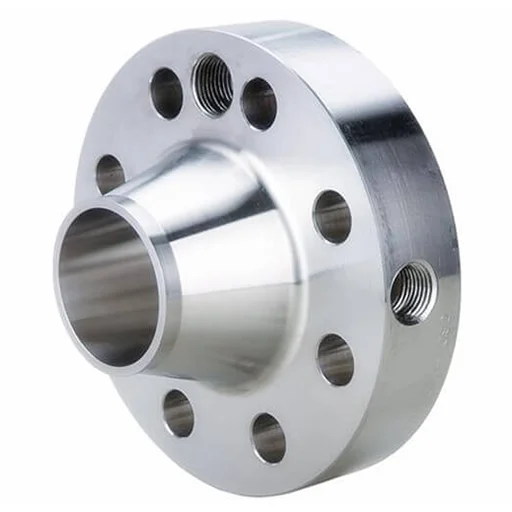
Alloy B2 Orifice Flange
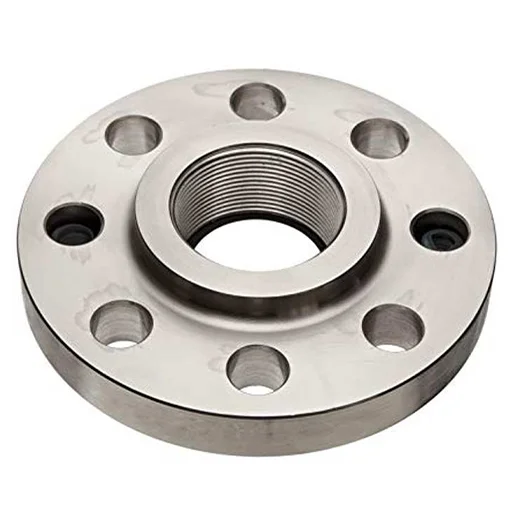
Alloy B2 Threaded Flange
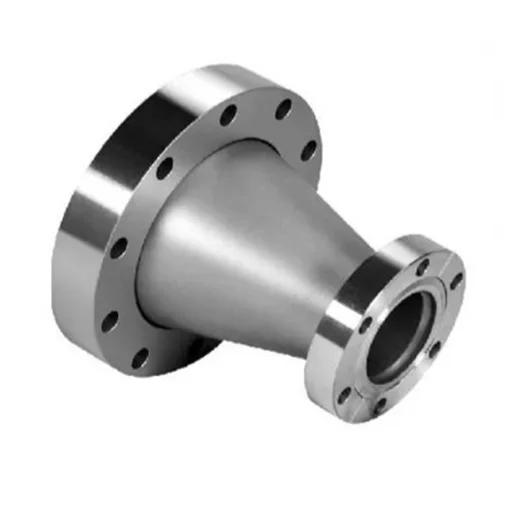
Alloy B2 Reducing Flange
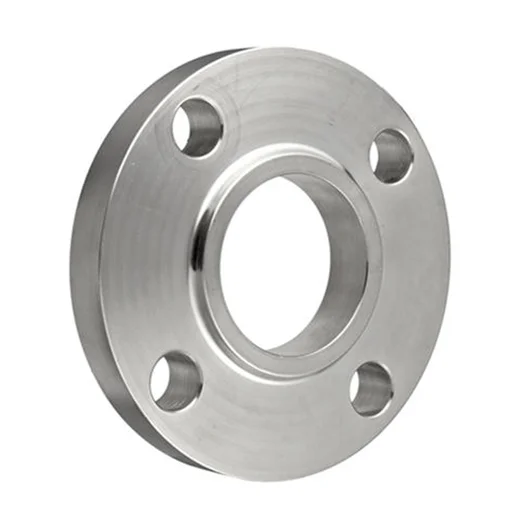
Alloy B2 Lap Joint Flange
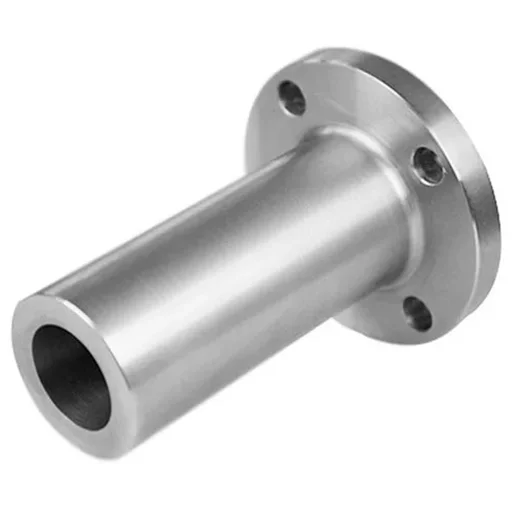
Alloy B2 Long Weld Neck Flange
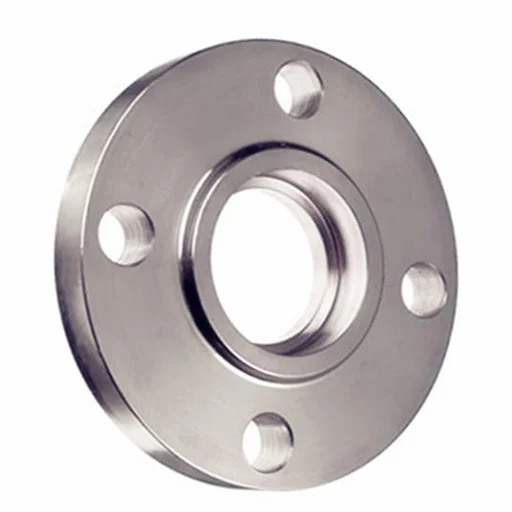
Alloy B2 Socket Weld Flange
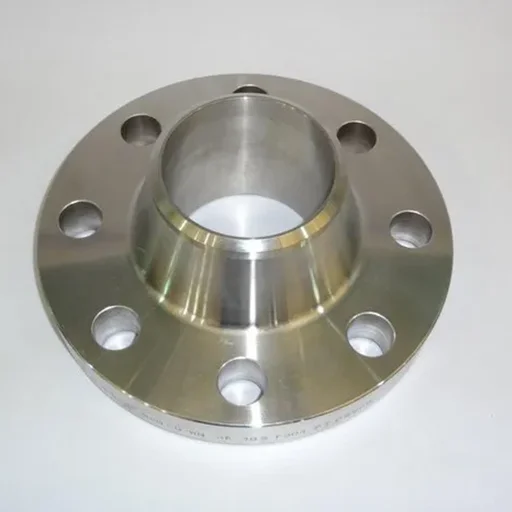
Alloy B2 Weld Neck Flange
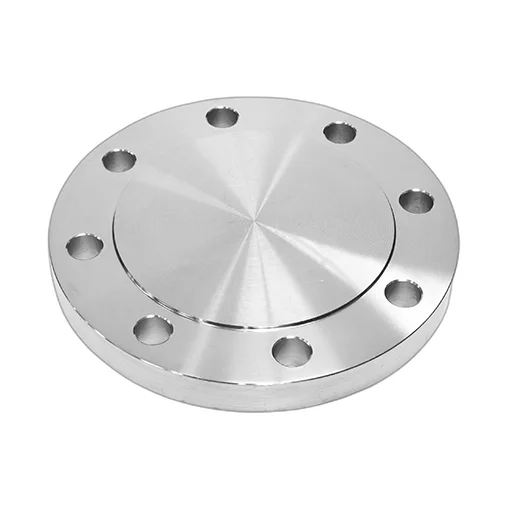
Alloy B2 Blind Flange
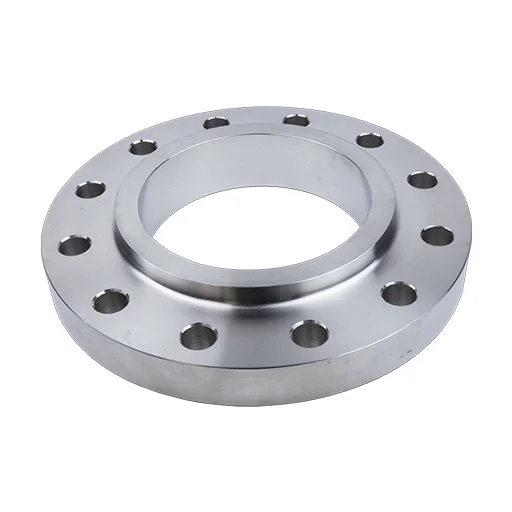
Alloy B2 Slip-On Flange
Application and Industrial Usage of Alloy B2 Flanges
Alloy B2 flanges are mostly applied in the industries where high levels of chemical corrosion are always encountered, particularly in the industries where strong reducing acids and aggressive chemical media are predominant. Alloy B2 being a high-performance nickel-molybdenum alloy, is necessary in the piping systems that require high corrosivity resistant fluids, e.g. hydrochloric acid, sulphuric acid, phosphoric acid, and acetic acid among others, where the standard material fails. Massive applications are in chemical processing plants, acid production units, fertilizer industries, pharmaceutical manufacturing, petrochemical facilities, refineries, specialty chemical plants, oil and gas processing systems, pollution control equipment, heat exchangers, industrial reactors, scrubber systems, in environmental engineering projects, wastage treatment facilities, and in corrosive fluid transfer lines to provide long-term corrosion resistance, structural integrity, low maintenance, and safe continuous operation under highly aggressive industrial conditions.
Looking for High-Quality Alloy B2 Flanges?
Let us support your projects with quality, precision, and performance.
Frequently Asked Questions (FAQ)
Alloy B2 flanges are nickel-based alloy flanges made for highly corrosive chemical environments, especially acid handling systems.
Yes, they offer excellent resistance to corrosion, especially in acidic and harsh chemical conditions.
Yes, Alloy B2 is one of the best materials for handling hydrochloric acid safely.
Alloy B2 is best for strong reducing acids like hydrochloric acid, while Alloy C276 is more versatile for both oxidizing and reducing environments.
Yes, they are ideal for acid handling, chemical processing, and corrosive fluid pipelines.
Enquire Now
Get pricing within 24 hours!