Alloy 825 Flanges Manufacturer in India
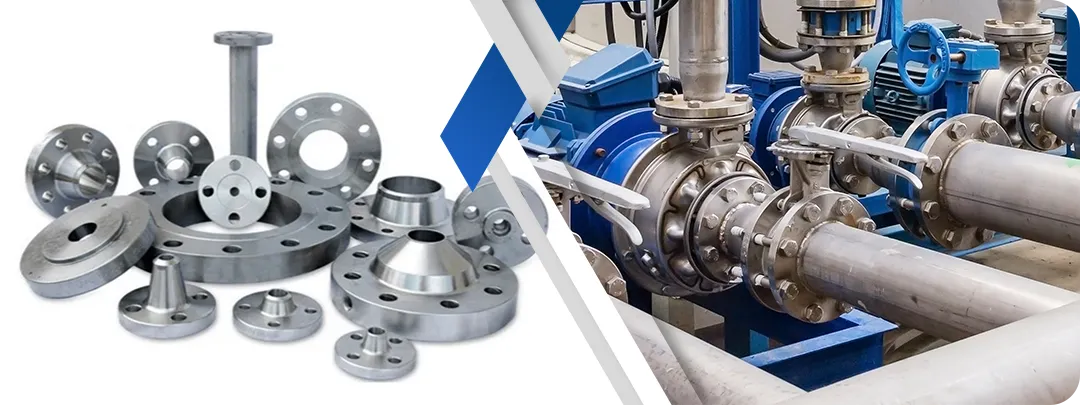
Alloy 825 is a nickel-based iron chromium alloy that is made with molybdenum and copper, that is specifically meant to provide exceptional resistance to corrosion in harsh chemical and maritime conditions. It provides good resistance against sulphuric and phosphoric acid, stress corrosion cracking caused by chlorides, pitting, as well as crevice corrosion, and is therefore suitable in an adverse industrial environment. Alloy 825 Flanges are common in piping systems, which require high resistance to corrosion and mechanical reliability and high service life. They are applied to systems that are high-pressure and chemically aggressive in nature to provide excellent structural integrity and non-leaking connections in chemical processing plants, petrochemical, refineries, oil and gas facilities, marine and offshore platforms, desalination facilities, power generation units, heat exchangers and environmental engineering systems.
What Are Alloy 825 Flanges?
The alloy 825 flanges are made according to ASTM B564 / UNS N08825 standards using forged and rolled nickel alloy for the piping system. The Nickel, Chromium, Iron, Molybdenum and Copper are the alloyants in this grade that gives it outstanding protection against all forms of corrosion, stress corrosion cracking, and localized corrosion in acidic and chloride saturated environments. The alloy used in 825 flanges is specially designed in systems that are subjected to aggressive industrial media, high pressure and extended chemical service. They have extensive applications in chemical plants, refineries, oil and gas processing facilities, offshore facilities, marine facilities, acid plants, heat exchangers, pollution control facilities, and power plants where they are needed to have corrosion resistance, structural stability and long life.

Table of Contents
Specification of Alloy 825 Flanges
| Category | Specifications & Details |
| Global Standards | ASME/ANSI B16.5, B16.36, B16.47 (Series A & B), B16.48, MSS S44, ISO 70051, DIN, EN 1092, BS 4504, BS 10, JIS B2220, GOST, API 605, UNI |
| ANSI Pressure Class | Class 150, 300, 600, 900, 1500, 2500 |
| DIN/EN/UNI (PN) | PN6, PN10, PN16, PN25, PN40, PN64 (6Bar to 64Bar) |
| JIS Pressure Class | 5K, 10K, 16K, 20K, 30K, 40K, 63K |
| Common Types | Forged Flanges, Plate Flanges, Threaded / Screwed Flanges |
| Face & Joint Types | Raised Face (RF), Flat Face (FF), Ring Type Joint (RTJ), Lap-Joint Face (LJF), Male-Female (LMF/SMF), Tongue & Groove |
| Production Process | Forging, Heat Treatment, and Precision Machining |
| Testing Protocols | Hydrostatic Testing, X-ray (Radiography), Ultrasonic (UT), Magnetic Particle (MPI), Direct-reading Spectrograph |
| Machinery Used | Pushing & Press Machines, Bending Machines, Electric Bevelling, Sand-blasting Equipment |
Chemical Composition of Inconel 825 Flanges
The chemical composition of this material helps to understand the other elements of this material, and the detailed chart of this material is given below.
| Grade | Limits | C | Mn | Si | Fe | S | Cr | Cu | Ti |
| Incoloy 825 | Min. | - | - | - | 22.0 | - | 19.5 | 1.5 | 0.6 |
| Max. | 0.05 | 1.0 | 0.5 | - | 0.015 | 23.5 | 3.0 | 1.2 |
Mechanical Composition of Nickel Alloy 825 Flanges
The mechanical composition provides information about the elongation and tensile strength of the material and other properties, which are listed below.
| Grade | Tensile Strength (min) | Yield Strength 0.2% Proof (min) | Elongation (min) | Hardness (max) |
| Incoloy 825 | 550 MPa (80,000 psi) | 220 MPa (32,000 psi) | 30% | - |
Equivalent Grades of Incoloy 825 din 2.4858 Flanges
This material is manufactured in many other grades also, according to the countries and their standards. Some of the common standards are in the following table.
| Grade | UNS No. | Old British (BS) | En No. | Werkstoff (EN) | AFNOR | GOST | Japanese (JIS) |
| Incoloy 825 | N08825 | NA 16 | 2.4858 | NiCr21Mo | NFE30C20DUM | --703 | NCF 825 |
Types of Alloy 825 Flanges
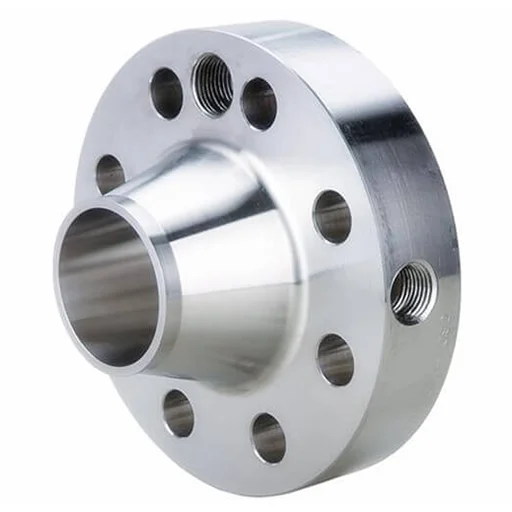
Alloy 825 Orifice Flange
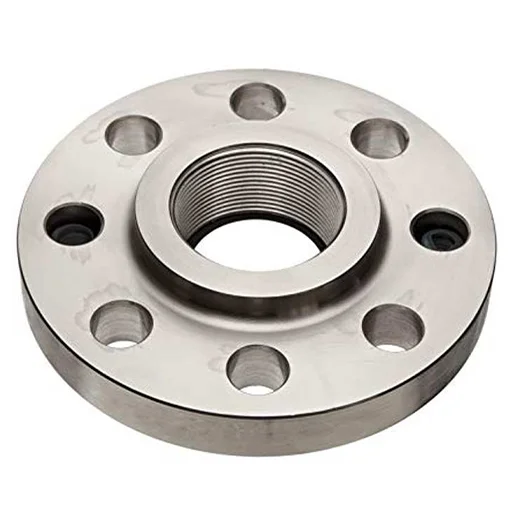
Alloy 825 Threaded Flange
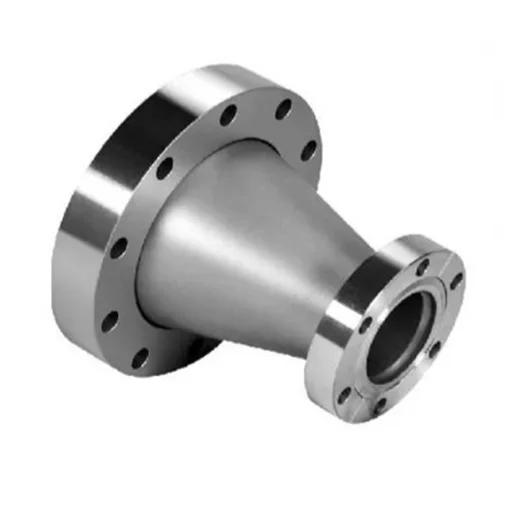
Alloy 825 Reducing Flange
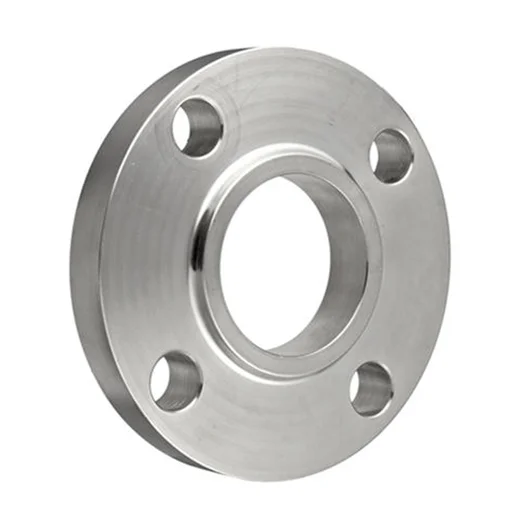
Alloy 825 Lap Joint Flange
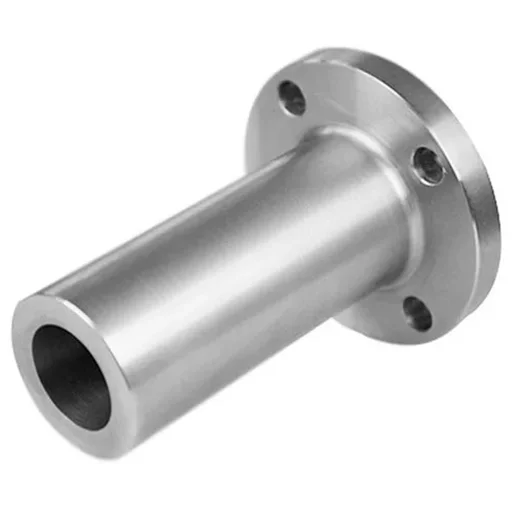
Alloy 825 Long Weld Neck Flange
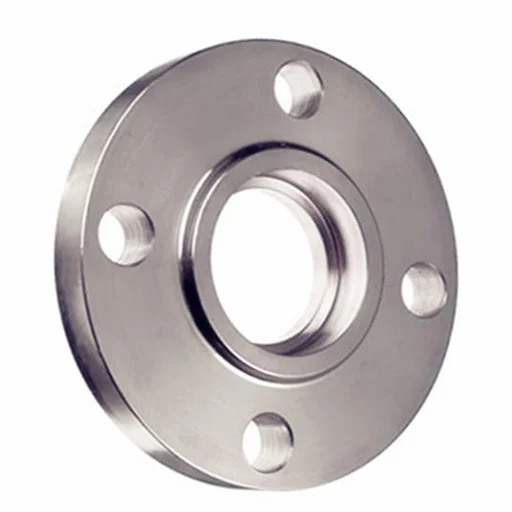
Alloy 825 Socket Weld Flange
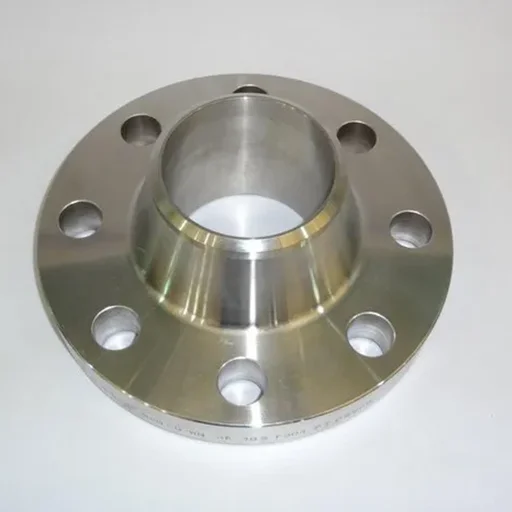
Alloy 825 Weld Neck Flange
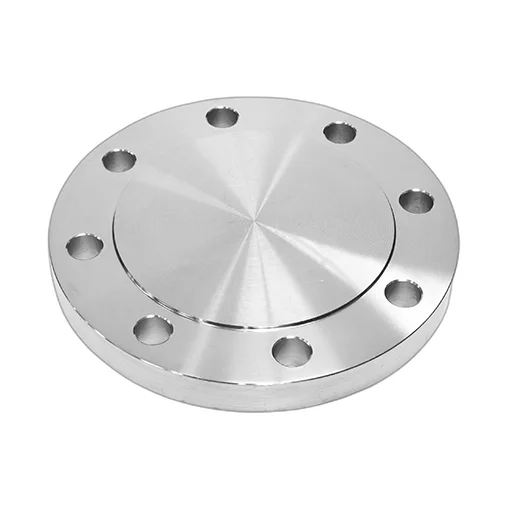
Alloy 825 Blind Flange
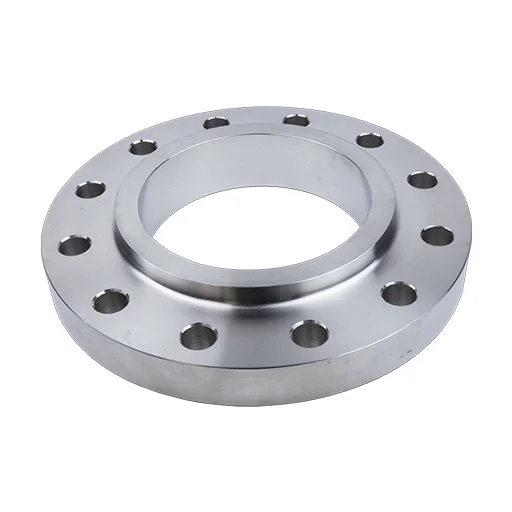
Alloy 825 Slip-On Flange
Application Uses of Alloy 825 Flanges
Most industries typically use alloy 825 flanges as a key material since it is included in the category of anti-corrosive nickel alloy flanges to be located in severe chemical and marine conditions. Refineries, petrochemical complexes, offshore platforms and desalination plants. Alloy 825 Flanges are of great significance in modern-day infrastructure of industries. They are imperative in the piping systems that are most likely to be affected by corrosion because of their exceptional qualities of resisting acids, chlorides and process fluids which are hostile to the piping systems. The applications of the flanges are extensive in chemical plants, fertilizer plants, oil and gas processing plants, marine and offshore constructions, desalination plants, pulp and paper factories, acid production plants, pollution control systems, heat exchangers, power plants, pharmaceutical production plants and in environmental engineering projects. It is known that alloy 825 flanges possess corrosiveness, structural dependability, and longevity of service, due to their demand by the industries necessitating safety, reliability, and continued operation during very aggressive industrial environments.
Looking for High-Quality Alloy 825 Flanges?
Let us support your projects with quality, precision, and performance.
Frequently Asked Questions (FAQ)
It's used in chemical plants, oil & gas, marine systems, power plants, and industries where strong corrosion resistance is needed.
Yes, they offer excellent resistance to corrosion, rust, and chemical damage.
Yes, it performs very well in acidic conditions, including sulfuric and phosphoric acid environments.
Yes, they are commonly available in custom sizes, thicknesses, and specifications.
They handle moderate to high temperatures well, making them suitable for both heat and corrosion-prone applications.
Enquire Now
Get pricing within 24 hours!